by
Kumarakom is a peaceful cluster of islands on the eastern shore of Vembanad Lake in Kottayam district. Famous for backwater cruises, a bird sanctuary, luxury lake resorts and village life, it is one of Kerala’s most relaxing destinations. A well-planned Kumarakom trip lets you enjoy houseboats, sunsets, birdwatching and authentic Kerala food in just one or two days.
This easy guide covers everything for your Kumarakom trip: top things to do, best time to visit, how to reach, where to stay, a sample itinerary, budget and practical tips.
Kumarakom Trip: Quick Overview
| Item | Details |
|---|---|
| District | Kottayam, Kerala |
| Known for | Vembanad Lake, houseboats, bird sanctuary, lake resorts |
| Ideal duration | 1 to 2 days |
| Best time | September to March; November to February for migratory birds |
| Nearest railway station | Kottayam (about 15 km) |
| Nearest airport | Cochin International Airport (about 85–90 km) |
Why Choose Kumarakom?
Compared to busier backwater hubs, Kumarakom feels calmer and greener. Narrow canals, paddy fields below sea level, coconut groves and village homes give a slow, authentic experience. Kumarakom is also known for Kerala’s Responsible Tourism initiatives, where local communities take part in tourism through village experiences, crafts and food.
Top Things to Do on a Kumarakom Trip
1. Houseboat cruise on Vembanad Lake
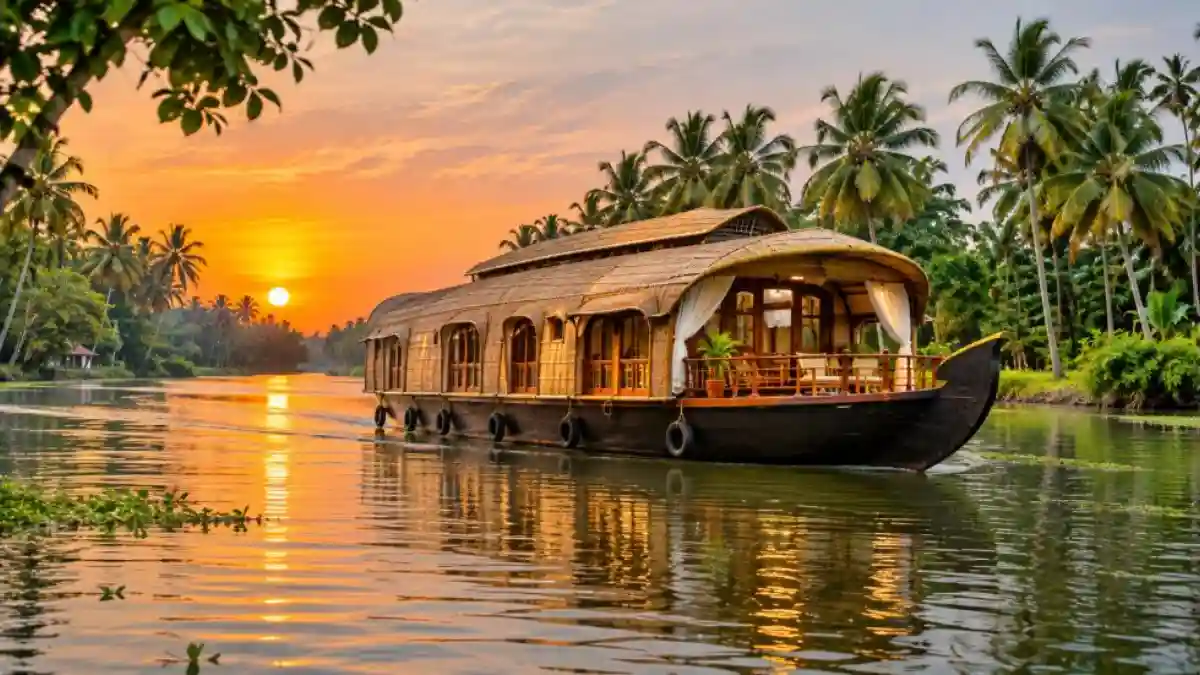
Choose a day cruise of a few hours or an overnight stay. Houseboats (kettuvallams) have bedrooms, a living deck and a kitchen where crew cook fresh Kerala meals. In the evening, boats anchor at designated points as per local rules.
2. Kumarakom Bird Sanctuary
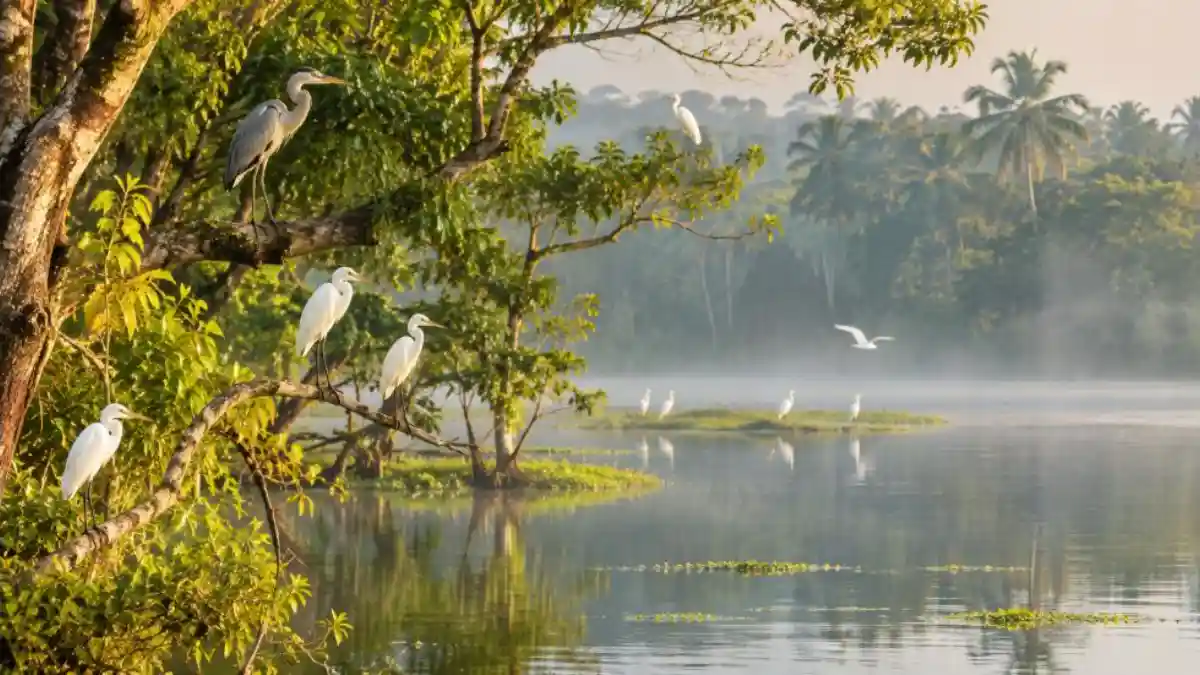
Spread across about 14 acres on the lake shore, the sanctuary is home to resident and migratory birds such as egrets, herons, cormorants, kingfishers and darters. Visit early in the morning for the best sightings.
3. Pathiramanal Island
A small island in Vembanad Lake reachable by boat, known for birds and quiet walking trails.
4. Village life and canal tours
Take a country boat (shikara or canoe) through narrow canals to see coir making, toddy tapping, fishing with Chinese-style nets, duck farming and paddy fields.
5. Sunset by the lake
Vembanad sunsets are spectacular. Find a lakeside spot or enjoy it from your houseboat deck.
6. Ayurveda and wellness
Many resorts offer Ayurvedic massages and wellness packages. Choose certified centres.
7. Taste local food
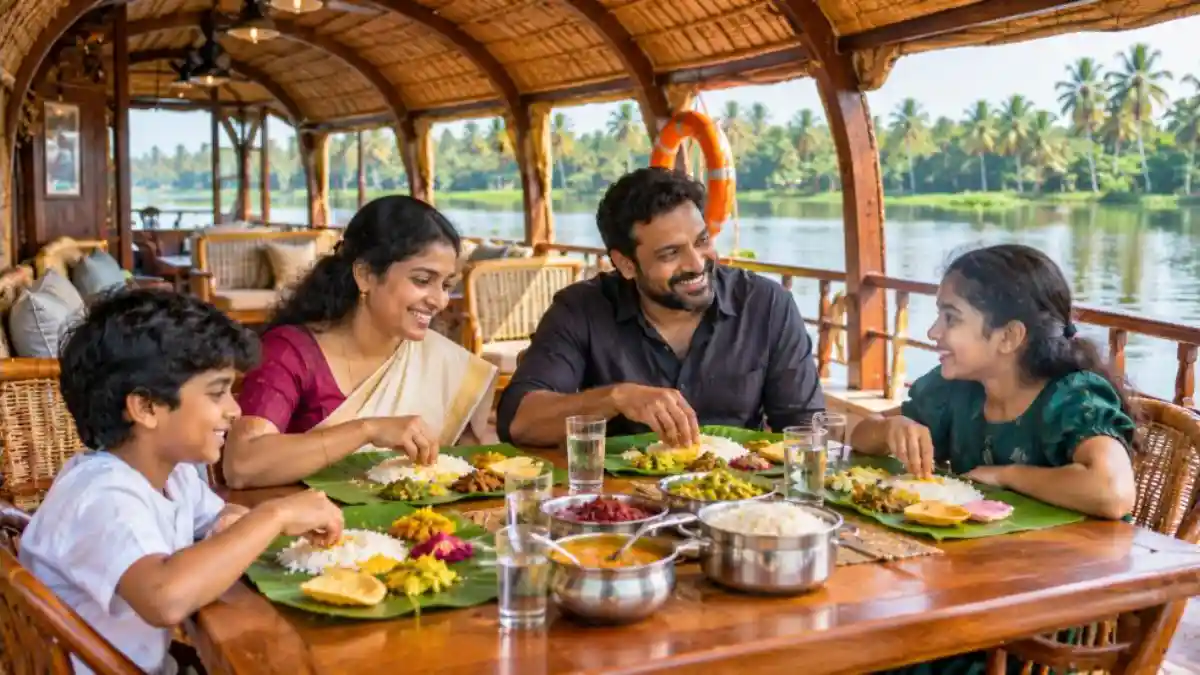
Try karimeen (pearl spot) fry or pollichathu, duck roast, appam with stew, kappa (tapioca) with fish curry and fresh toddy-shop style dishes at family-friendly restaurants.
8. Cycling through villages
Some resorts and local groups offer cycling tours along village roads and paddy fields.
Best Time for a Kumarakom Trip
| Season | Months | Highlights |
|---|---|---|
| Post-monsoon and winter | September–February | Pleasant weather, green landscapes, migratory birds |
| Summer | March–May | Hot and humid; fewer crowds, lower prices |
| Monsoon | June–August | Lush and romantic; rain can limit cruises; Ayurveda season |
Many travellers also time their Kumarakom trip with the snake boat races held in Kerala’s backwater regions during the Onam season.
How to Reach Kumarakom
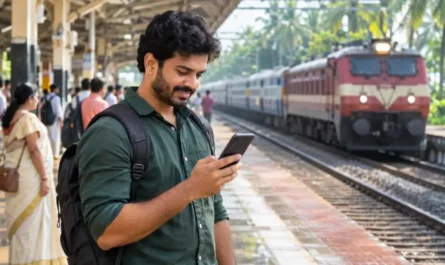
- By train: Kottayam railway station is the nearest. Taxis and buses take you to Kumarakom in about 30 minutes.
- By air: Cochin International Airport is the nearest airport; the drive takes around 2 to 2.5 hours.
- By road: Good roads connect Kumarakom to Kottayam, Kochi and Alappuzha.
- By boat: State Water Transport Department ferries connect some backwater points; check current schedules.
Sample 2-Day Kumarakom Trip Itinerary
Day 1
- Morning: Arrive and check in at a lakeside resort or homestay.
- Afternoon: Board a houseboat or shikara for a backwater cruise on Vembanad Lake.
- Evening: Watch the sunset; enjoy a traditional Kerala dinner.
Day 2
- Early morning: Kumarakom Bird Sanctuary walk.
- Late morning: Village canal tour to see coir making, fishing and farming.
- Afternoon: Ayurvedic massage or relaxation; shop for local crafts.
- Evening: Depart or extend your stay.
Where to Stay
Kumarakom offers luxury lake resorts with private villas, mid-range hotels, heritage homes and budget homestays. Staying in a homestay gives a closer look at village life and home-cooked meals. For a unique experience, spend one night on a houseboat. See our guide to the best family resorts in Kerala, and for houseboat tips read our Alleppey houseboat booking guide.
Kumarakom Trip Budget (Per Person, Approx.)
| Expense | Budget | Comfort |
|---|---|---|
| Stay per night (shared) | ₹1,000–₹2,000 (homestay) | ₹4,000+ (lake resort) |
| Houseboat | Shared day cruise or shikara ride | Private overnight houseboat (cost shared by group) |
| Food per day | ₹500–₹800 | ₹1,500+ |
| Local transport | ₹300–₹800 | ₹1,500+ |
Prices vary widely by season, weekends and festivals. Compare and confirm before booking.
Kumarakom vs Alappuzha
| Point | Kumarakom | Alappuzha (Alleppey) |
|---|---|---|
| Atmosphere | Quieter, resort-focused | Busier, more houseboats |
| Best for | Couples, luxury stays, birdwatching | Houseboat variety, beach plus backwaters |
| Nearest railhead | Kottayam | Alappuzha |
| Bird sanctuary | Yes | No major sanctuary |
Tips for Your Kumarakom Trip
- Book houseboats only through licensed operators and check safety equipment.
- Carry mosquito repellent, especially in the evening.
- Wear light cotton clothes, a cap and sunglasses.
- Start birdwatching early; carry binoculars if you have them.
- Respect village homes and ask before taking photos of people.
- Avoid single-use plastic; the lake ecosystem is fragile.
- Confirm what is included in houseboat packages: meals, timings, AC hours.
Kumarakom Trip for Different Travellers
Honeymoon couples
Kumarakom is one of Kerala’s favourite honeymoon spots. Book a lake-view villa, take a private sunset shikara ride, enjoy a candlelight dinner and spend a lazy morning by the water. A romantic Kumarakom trip needs no rush; two nights are ideal.
Families
Choose resorts with pools, play areas and safe lake access. Kids enjoy spotting birds, ducks and fishermen. Plan a short day cruise rather than a long one so children stay comfortable. A family Kumarakom trip pairs well with Alappuzha beach or Kottayam town visits.
Nature and bird lovers
Plan your Kumarakom trip between November and February, stay close to the sanctuary, and go out at sunrise with a local guide who can identify species. Carry binoculars and a long lens if you photograph birds.
Budget travellers
Stay in a homestay, use public buses from Kottayam and take a shared shikara ride or State Water Transport ferry instead of a private houseboat. A budget Kumarakom trip can still be rich in experiences.
Kumarakom Trip From Kochi: One-Day Plan
- 7:00 am: Start from Kochi by car or bus.
- 9:30 am: Reach Kumarakom; quick breakfast.
- 10:00 am: Visit the bird sanctuary (morning is best).
- 12:00 pm: Board a day-cruise houseboat with lunch on board.
- 4:00 pm: Village canal ride by country boat.
- 6:00 pm: Sunset by the lake, then return to Kochi.
This one-day Kumarakom trip is tiring but possible; an overnight stay is far more relaxing.
Nearby Places to Combine
- Kottayam town: Old churches, Thirunakkara temple and local markets.
- Vaikom: Known for the Vaikom Mahadeva Temple and its place in Kerala’s social reform history.
- Alappuzha: Beach, canals and houseboat hub, about an hour away.
- Vagamon and Munnar: Hill stations for a hills-plus-backwaters itinerary. See our Munnar trip plan and Vagamon trip guides.
- Kochi: Fort Kochi heritage walk; see our Kochi one-day city tour.
Houseboat Safety and Etiquette
- Choose operators approved by the tourism department.
- Check that life jackets are available for every passenger, including children.
- Do not swim in the lake.
- Keep noise low, especially near villages and at night.
- Do not throw waste into the water.
- Confirm check-in and check-out times and what is included in your package.
Official information about backwater tourism is available on the Kerala Tourism website.
Village Experiences on a Kumarakom Trip
One of the most memorable parts of a Kumarakom trip is seeing how people live with water every day. Local guides and responsible tourism groups run village walks and canoe tours that show:
- Coir making: Watch women spin coconut husk fibre into rope.
- Toddy tapping: See how tappers climb coconut trees to collect sap.
- Fishing: Traditional fishing with nets and small canoes.
- Paddy farming: Kuttanad-style farming below sea level, protected by bunds.
- Duck farming: Large flocks of ducks moving through the canals.
- Cooking demos: Learn to make fish curry or appam in a village kitchen.
These experiences support local families directly and make your Kumarakom trip more meaningful than just staying in a resort.
What to Pack for a Kumarakom Trip
- Light cotton clothes and a light jacket for air-conditioned rooms.
- Comfortable sandals.
- Sunscreen, cap and sunglasses.
- Insect repellent and basic medicines.
- Binoculars for birdwatching.
- Waterproof pouch for your phone on boats.
- Reusable water bottle.
Festivals and Events
Kerala’s backwater regions come alive during Onam with boat races and cultural programmes. Kumarakom and nearby areas also host local temple and church festivals through the year. If you want to see a snake boat race, check the official tourism calendar and plan your Kumarakom trip around those dates, as accommodation fills up fast.
Kumarakom Trip in Monsoon
The monsoon brings heavy rain, dark clouds over the lake and lush green fields. Some travellers love the dramatic weather and the Ayurveda packages offered in this season. However, cruises may be shortened during storms, and low-lying roads can flood. If you plan a monsoon Kumarakom trip, keep flexible plans and follow weather alerts.
Common Mistakes to Avoid
- Booking houseboats through unverified agents on social media.
- Not confirming what the package includes.
- Skipping the early morning bird sanctuary visit.
- Over-packing the itinerary; Kumarakom is best enjoyed slowly.
- Ignoring mosquito protection in the evening.
Understanding Vembanad Lake
Vembanad is the longest lake in India and the largest in Kerala, stretching across Kottayam, Alappuzha and Ernakulam districts. It is a Ramsar wetland of international importance, supporting fish, birds and the livelihoods of thousands of families. The lake connects to the Arabian Sea near Kochi, and the Thanneermukkom bund helps control saltwater entry into the paddy fields of Kuttanad during certain seasons.
Because the ecosystem is delicate, visitors play an important role in keeping it clean. Choose eco-certified stays where possible, avoid plastic and follow the instructions of boat operators about waste and fuel use.
Food Guide
| Dish | What it is |
|---|---|
| Karimeen pollichathu | Pearl spot fish marinated in spices, wrapped in banana leaf and cooked |
| Duck roast | Spicy roasted duck, a Kuttanad speciality |
| Appam and stew | Soft rice pancakes with coconut milk stew |
| Kappa and fish curry | Tapioca with red fish curry |
| Kerala sadya | Vegetarian feast on banana leaf |
| Pazham pori | Banana fritters with tea |
Vegetarian options are widely available. Inform your houseboat crew or resort about dietary needs in advance.
Accessibility
Many resorts have ground-floor rooms and ramps, but houseboats can have steps and narrow passages. Senior citizens and travellers with limited mobility should ask operators about boarding arrangements, railings and bathroom access before booking.
Photography Spots
- Lake edges at sunrise and sunset.
- Canal bridges with reflections of coconut palms.
- Bird sanctuary trails in the early morning.
- Paddy fields with farmers and ducks.
- Houseboat decks with wide lake views.
How to Book Your Kumarakom Trip Smartly
- Fix your dates: Avoid long weekends if you want quiet and lower prices.
- Compare stays: Check recent reviews, photos and location on maps. Lake-facing rooms cost more but are worth it for sunsets.
- Book houseboats directly or through trusted platforms: Ask for the boat’s licence details and photos of the actual boat.
- Clarify inclusions: Meals, cruise hours, AC timing, taxes and pick-up points.
- Plan transport: Pre-book a taxi from Kottayam station or Kochi airport for late arrivals.
- Keep a buffer: Weather and traffic can change plans; avoid tight connections.
Sustainable Tourism in Kumarakom
Kumarakom became widely known for Kerala’s Responsible Tourism Mission, which links hotels with local farmers, fishermen and artisans. When resorts buy local vegetables, fish and crafts, money stays in the community. As a traveller, you can support this by choosing village experiences, eating local food and buying handmade products.
Small actions, like refusing plastic straws, reusing towels and switching off AC when you leave the room, also help protect the lake. A thoughtful Kumarakom trip benefits both you and the people who call this place home.
Weekend Kumarakom Trip Checklist
- Stay booked with lake view or near the sanctuary.
- Cruise or shikara slot confirmed.
- Early alarm for the bird sanctuary.
- Mosquito repellent and sunscreen packed.
- Taxi or bus plan from Kottayam or Kochi.
- Some cash for small shops and tips.
Shopping and Souvenirs
Look for coir products such as mats, bags and decor items, handmade coconut shell crafts, Kerala spices, banana chips and locally made pickles. Kottayam town has larger markets with fixed prices. Buying from local cooperatives and village self-help groups gives better value to the makers. Avoid products made from protected wildlife or shells collected from the lake.
Staying Connected
Mobile networks work well in most parts of Kumarakom, though signal can weaken in the middle of the lake. Most resorts offer Wi-Fi. If you need to work remotely, confirm internet speed with your hotel before booking. Download offline maps and keep emergency numbers handy, including your resort and boat operator.
Health and Safety
Drink bottled or filtered water, use mosquito protection and carry basic medicines. Kottayam has well-equipped hospitals for any emergency. On boats, follow the crew’s instructions, keep children supervised at all times and avoid leaning over railings. Sunburn is common on open decks, so reapply sunscreen and drink plenty of water during your cruise.
Final Thoughts
Kumarakom is not about rushing between attractions; it is about slowing down, listening to birds, feeling the breeze across the lake and enjoying simple village life. With the right season, a licensed houseboat and a flexible plan, your visit can become one of the most peaceful memories of your Kerala holiday.
Quick Recap
For a perfect Kumarakom trip, visit between September and March, stay one or two nights, take a houseboat or shikara cruise, visit the bird sanctuary at sunrise, explore village canals, and enjoy local food. Book licensed operators, protect yourself from mosquitoes and sun, and travel responsibly. Save this guide and share it with friends who are planning their own Kumarakom trip to Kerala’s calm backwaters.
Whether you come for a honeymoon, a family break or a birdwatching weekend, the lake, the villages and the warm hospitality of the people will make you want to return again. Plan early, pack light and let the gentle rhythm of the backwaters set the pace of your holiday.
Frequently Asked Questions
Is one day enough for a Kumarakom trip?
One day is enough for a backwater cruise and sunset. Two days let you add the bird sanctuary, village tours and relaxation.
Which is the best month to visit Kumarakom?
November to February offers pleasant weather and migratory birds.
Can I stay overnight on a houseboat in Kumarakom?
Yes. Overnight houseboat packages are available. Boats anchor for the night at designated spots as per rules.
How far is Kumarakom from Kottayam?
About 15 km, around 30 minutes by road.
Is Kumarakom good for families?
Yes. Calm waters, resorts with pools and gentle activities make it family-friendly. Ensure children wear life jackets on boats.
Conclusion
A Kumarakom trip is perfect for slowing down: drifting on Vembanad Lake, watching birds at sunrise, exploring village canals and enjoying fresh Kerala food. Plan for one or two days, book licensed houseboats and choose the season that suits you. Kumarakom shows the calm, gentle side of God’s Own Country.