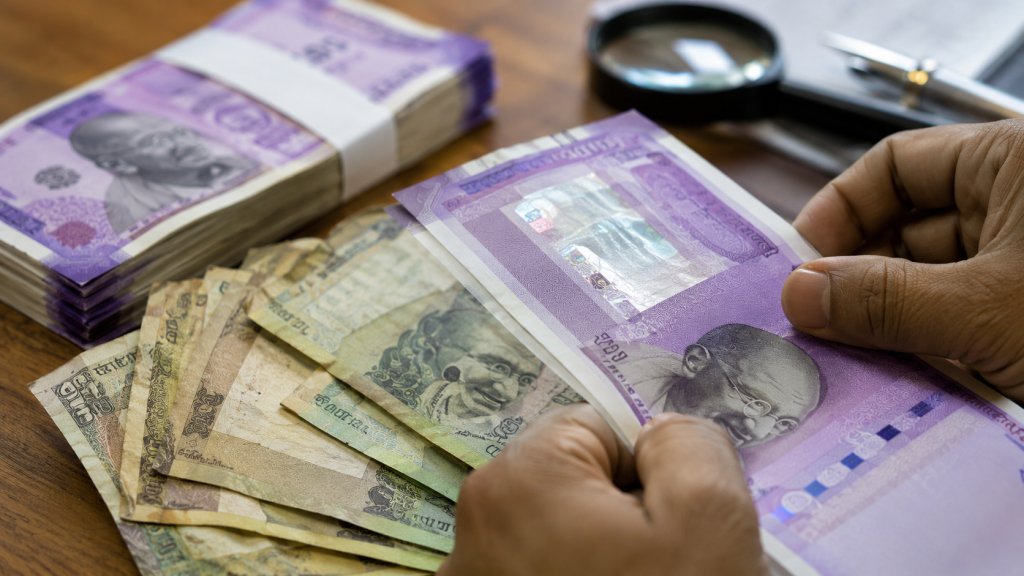
The Reserve Bank of India (RBI) is reportedly exploring the possibility of introducing polymer-based currency notes as part of efforts to improve the durability of banknotes, reduce replacement costs, and strengthen security features. While no official nationwide rollout has been announced yet, the move is being viewed as a potential step toward modernizing India’s currency system.
What Are Polymer Notes?
Polymer notes are banknotes made from a special plastic-like material rather than traditional paper. These notes are designed to be more durable and resistant to everyday wear and tear. Polymer currency is already used successfully in many countries around the world and has become a popular alternative to paper-based notes.
Why Is RBI Considering Polymer Currency?
One of the biggest challenges with paper currency is that it wears out quickly due to frequent handling. Millions of notes become damaged, dirty, or torn every year, requiring continuous replacement.
Printing replacement notes involves significant costs. Polymer notes, however, can last much longer than conventional paper currency. Because they remain in circulation for a longer period, the overall cost of printing and replacing notes may decrease over time.
Possible First Denominations
Reports suggest that lower denominations such as ₹10 and ₹20 notes may be considered for the initial phase of polymer currency introduction. These notes typically experience the highest circulation and wear. If the trial proves successful and receives a positive public response, a wider rollout across additional denominations could follow in the future.
Advantages of Polymer Notes
Polymer currency offers several benefits:
- More durable and difficult to tear.
- Resistant to water, dirt, and moisture.
- Remains cleaner for longer periods.
- Longer lifespan compared to paper notes.
- Reduced need for frequent replacements.
- Environmentally beneficial due to lower printing requirements over time.
These advantages can help improve the quality and reliability of currency used in daily transactions.
Better Security Features
Another major benefit of polymer notes is enhanced security. Advanced security elements can be embedded directly into the polymer material, making the notes more difficult to counterfeit.
Features such as transparent windows, specialized holograms, and complex security designs can help authorities combat fake currency and improve public confidence in the banking system.
India’s Earlier Experiment
India has explored polymer note technology before. The RBI had previously tested polymer currency concepts on a limited scale. Since then, currency printing technology and manufacturing processes have improved significantly, making large-scale implementation more practical than in the past.
Global Adoption
More than 60 countries have adopted polymer banknotes. Nations such as Australia, Canada, the United Kingdom, Singapore, and several others have reported positive results, including improved durability, better security, and lower long-term currency management costs.
Important Note
It is important to remember that any nationwide introduction of polymer notes will depend on official RBI announcements, policy decisions, and implementation plans. Until then, existing paper currency notes will continue to remain valid and widely used.
Conclusion
If introduced, polymer currency notes could represent a major modernization of India’s currency system. With greater durability, stronger security features, and improved cost efficiency, polymer notes may help create a more reliable and sustainable currency network for the future.
Best Short Link Generator App to Create QR Codes Easily (2026)
How to Update Passport Address Online in India (2026 Guide)